


-

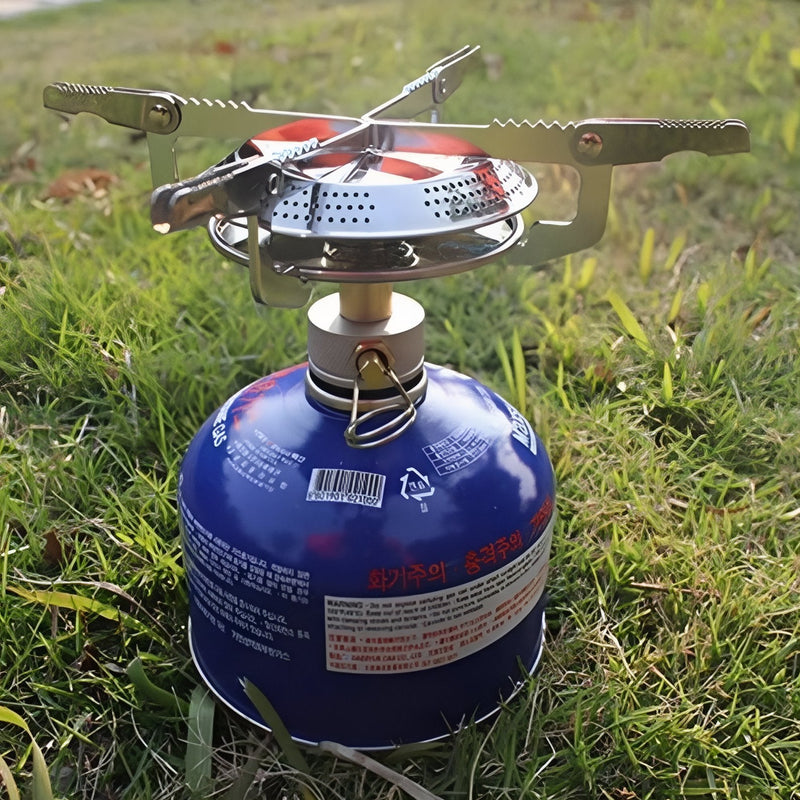
Windproof Stove
Regular price $47.00| 1 colorisRegular priceUnit price per$0.00Sale price $47.00| 1 coloris -

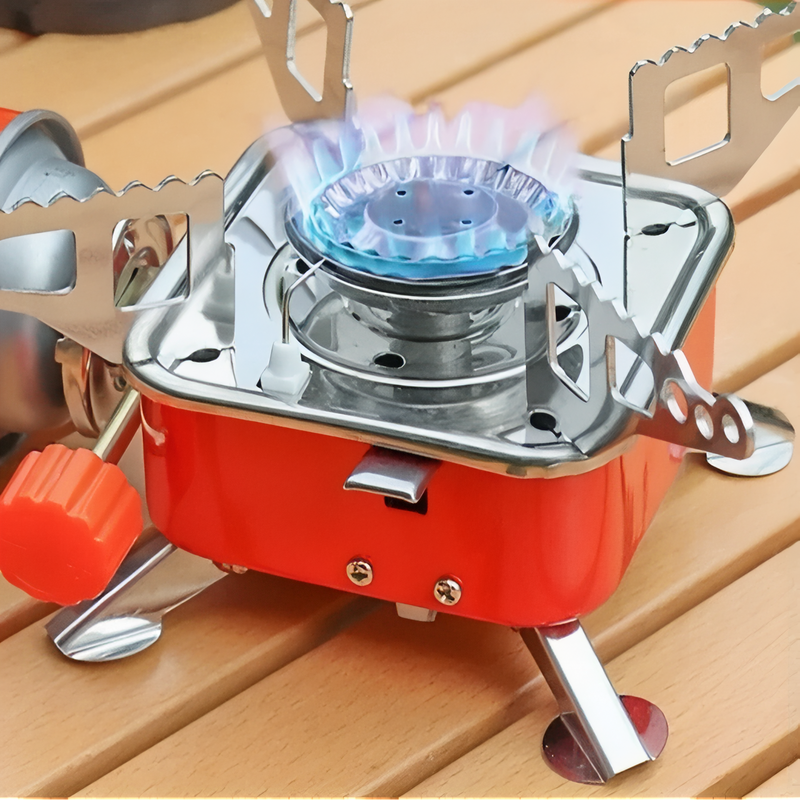
Mini Gas Hiking Stove
Regular price $41.00| 1 colorisRegular priceUnit price per$0.00Sale price $41.00| 1 coloris -

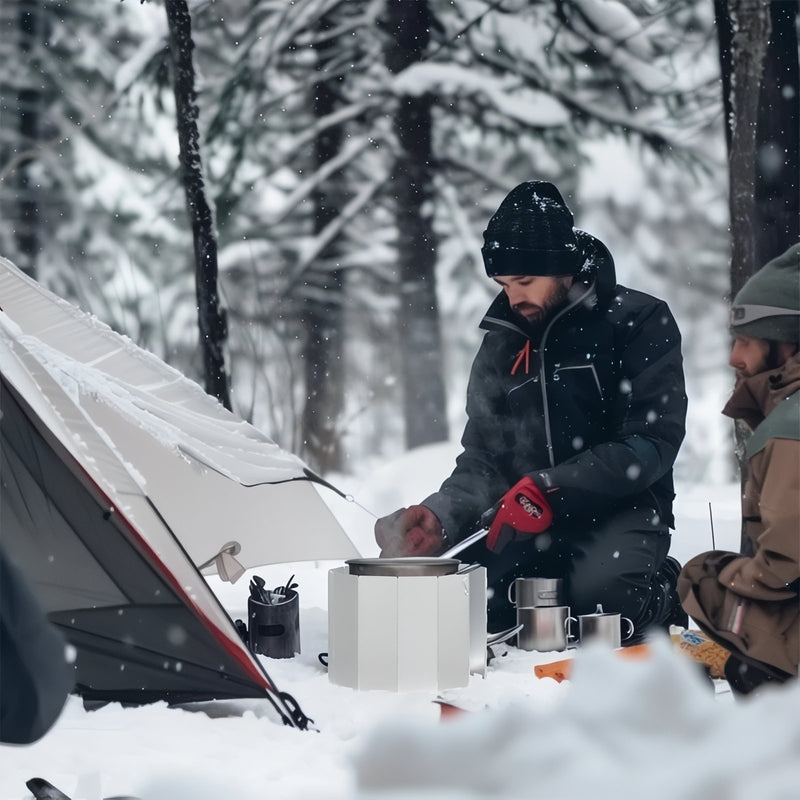
Stove Windshield
Regular price From $32.00| 3 colorisRegular priceUnit price per$0.00Sale price From $32.00| 3 coloris -

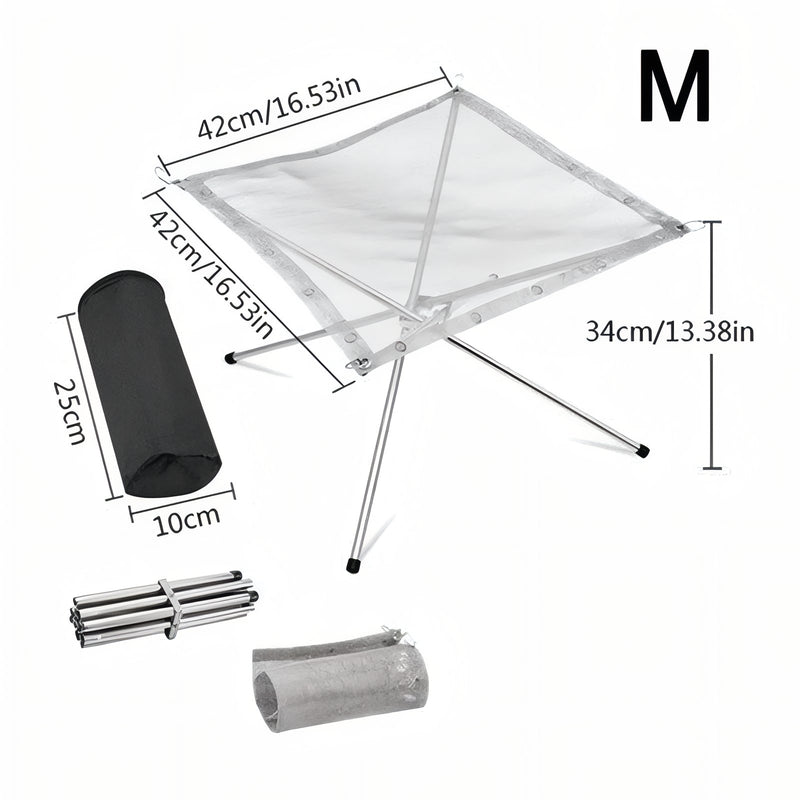
Campfire Stand
Regular price From $59.00| 2 colorisRegular priceUnit price per$0.00Sale price From $59.00| 2 coloris -

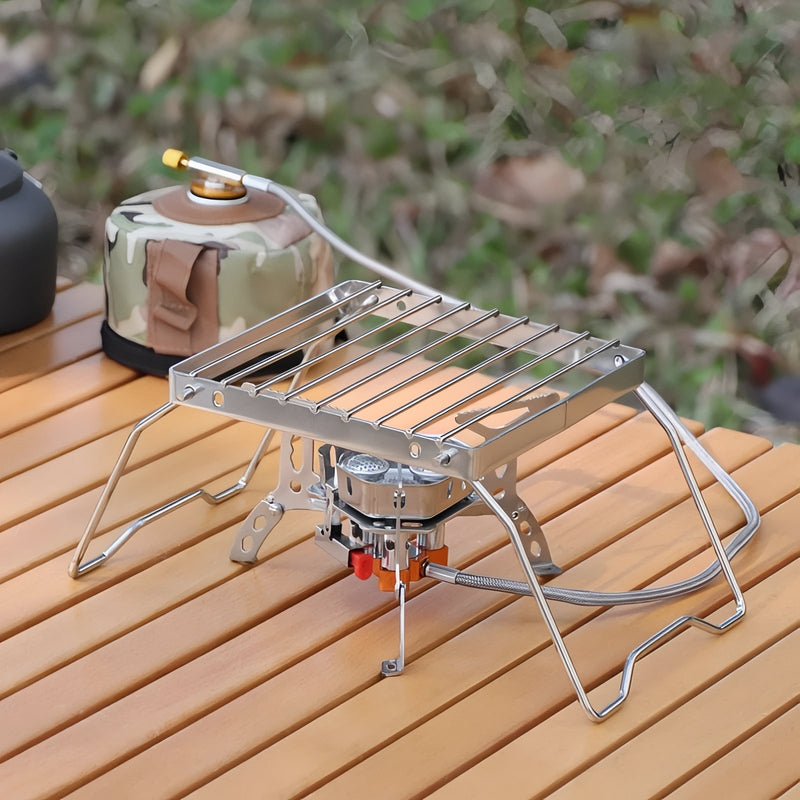
Cooking Grill For Gas Stove
Regular price $48.00Regular priceUnit price per$0.00Sale price $48.00 -

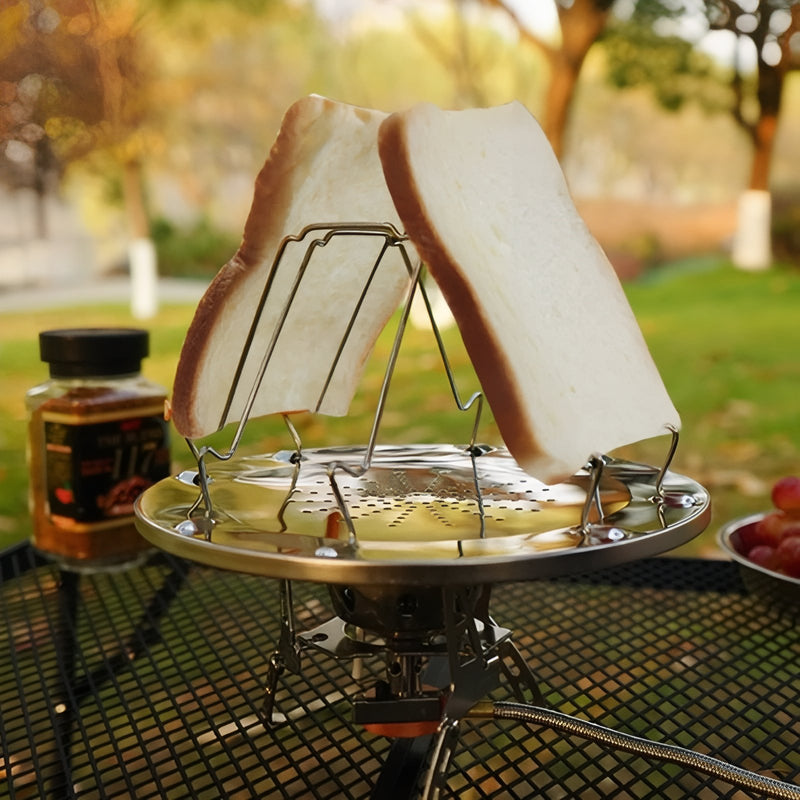
Stove Toaster Rack
Regular price $38.00Regular priceUnit price per$0.00Sale price $38.00


Frequently Asked Questions
Which stove should you choose for hiking?
For most trips, a compact, lightweight gas stove is all you need: simple, clean and quick to fire up. For serious cold, high altitude or longer expeditions, a petrol or multi-fuel model is the more reliable choice.
Gas or petrol for a trekking stove?
Gas is simpler, lighter and cleaner - ideal in mild conditions; petrol and multi-fuel stoves perform better in bitter cold and at altitude, and for longer trips where finding gas canisters is difficult.
How to protect the flame from the wind?
Use a windshield, position your stove somewhere sheltered, and go for an integrated system that protects the flame. Wind wastes a lot of fuel and lengthens boiling time : managing it well saves both gas and time.
How much fuel should you bring?
It depends on the number of meals, how much water you need to heat and the temperature. Allow a generous margin and test your consumption before a long trek: better to have enough fuel in reserve than to run out miles from anywhere.
-

Responsive customer service
6/7 days by email
-

Free delivery
Over £50*
-

100% Secure
PayPal / MasterCard / Visa


